
What Piano Should I Buy for My Child? A Parent Guide to Keyboards, Digital Pianos, and Acoustic Pianos
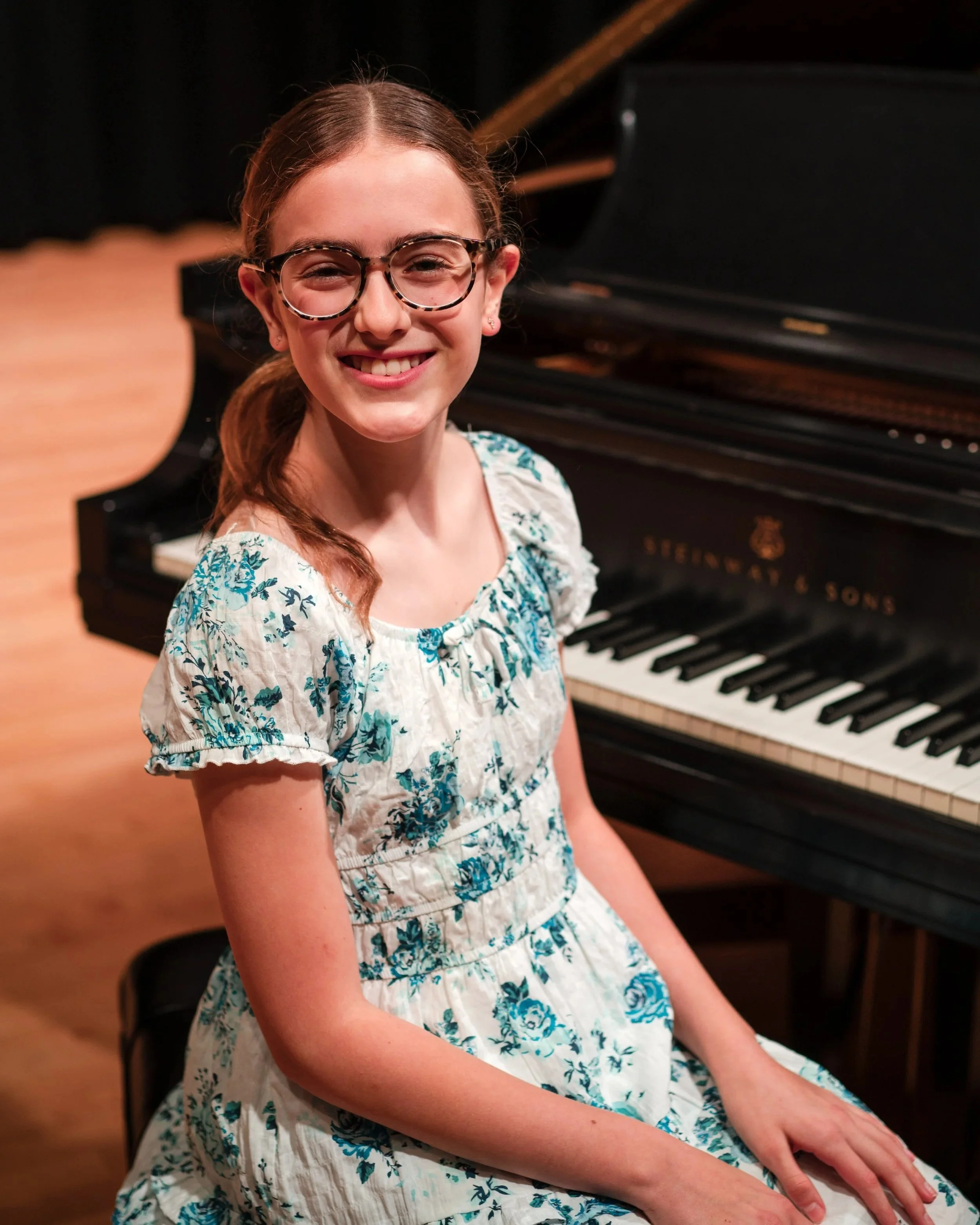
Choosing a piano for your child should not require a music degree, a second mortgage, or a Facebook Marketplace adventure involving three relatives and a borrowed truck.
Buy too little, and your child may outgrow it fast. Buy too much, and you may end up with a very expensive piece of furniture.
For most beginners, the safest starting point is a good digital piano.
Here is how to choose one without overbuying, underbuying, or accidentally adopting a 700-pound living room project.
First, know what you are actually shopping for
Most families call anything with black and white keys a keyboard. That is completely normal. The piano world could have named things more helpfully, but here we are.
For piano lessons, though, the better search term is usually digital piano.
A keyboard is usually light, portable, and full of extra sounds and buttons. That can be fun, but many keyboards have fewer than 88 keys, lighter key action, weaker speakers, and a feel that does not prepare the child very well for piano playing.
A digital piano is built to act more like a piano. It usually has 88 keys, weighted action, a better piano sound, and a more stable playing experience.
A basic keyboard can work for a preschooler or a brand-new beginner for a short time. But once your child is using both hands, playing louder and softer, moving around the keyboard, or learning to use the pedal, the instrument starts to matter more.
The simple answer
For most beginners, buy an 88-key weighted digital piano from Yamaha, Roland, Kawai, Casio, or Korg.
Make sure it has:
88 keys
fully weighted keys
touch sensitivity
at least 64-note polyphony, with 128 or more preferred for a longer-term instrument
a sustain pedal
a stable stand
a bench at the right height
Polyphony is the number of sounds the piano can produce and sustain at once, including notes that continue ringing while the pedal is held. At least 64-note polyphony can work for a beginner, while 128 or more gives a student more room for sustained notes, layered sounds, and increasingly complex music. Polyphony matters, but a higher number does not automatically mean the piano has better keys, sound, or overall quality.
Everything after that is about how long you want the instrument to last, how serious the student is, and how much you want the piano to feel like an acoustic instrument.
What to buy by budget
Under $200: only if you need the lowest possible starting point
This is the “we need something in the house by Tuesday” category.
It can work for a preschooler, a very new beginner, or a family that needs to start as inexpensively as possible. Look for touch-sensitive keys, at least 61 keys, a sustain pedal input, and a setup that does not wobble.
For a school-age beginner or teen, this should be a bridge, not the plan. It can help your child learn the layout of the keys and practice simple songs, but it will start feeling limited quickly.
What it does well: gets a child started.
What it does not do well: support developing piano technique for long.
For most school-age beginners, expect this to be temporary. Plan to upgrade when the limited range, lighter action, or unstable setup begins to interfere with what your child is learning.
$200-$500: acceptable short-term beginner option
This range can work for a new beginner, especially if you find a used instrument from a trusted brand.
Look for 88 keys if possible, touch sensitivity, at least 64-note polyphony, a sustain pedal, a sturdy stand, and a bench at the right height. Fully weighted keys are ideal. Semi-weighted keys can work as a temporary compromise, but they do not feel or respond like a piano. If you hope to use the instrument for more than a short introductory period, 128-note polyphony is a better choice.
This is a practical first step for families who want to begin lessons without making a larger purchase immediately. The important thing is that your child has something at home and can practice between lessons.
The tradeoff is feel. The keys may be lighter, the speakers weaker, the pedal less stable, and the sound less satisfying. That does not mean the instrument is useless. It means your child may outgrow it sooner.
Plan to upgrade when the action, pedal, speakers, or overall stability begin to limit what your child is learning. For some students that may happen within a year, while a good used instrument from a trusted brand may last longer.
$500-$1,200: the first range I usually recommend for regular lessons
This is the lowest range where families usually start finding digital pianos that can support regular lessons well.
Look for fully weighted keys, at least 128-note polyphony, better touch response, stronger speakers, a more piano-like feel, and a pedal that does not slide away every time your child uses it.
This range is often the best starting point for a beginner. It gives your child a real piano experience without asking the family to buy a high-end instrument before anyone knows how far piano will go.
For a young beginner, this may last a while. For an older beginner, a fast-moving student, or a child already playing late-beginner music, it may start to feel limited sooner.
Many students can use a good instrument in this range for several years. Consider upgrading when the student’s technique, repertoire, or musical goals begin to exceed what the key action, pedal system, or speakers can support.
$1,200-$2,000: the strong family choice
This is where a digital piano starts to feel less like starter equipment and more like a real household instrument.
Digital pianos in this range usually have better key action, generous polyphony, fuller sound through stronger speakers, a sturdier stand, a three-pedal unit, and more responsive note repetition.
Students are not just learning which notes to press. They are learning how to control sound. Better keys help them play evenly. Better speakers make practice more satisfying. A stable pedal and stand make the setup feel less like equipment and more like a piano.
This is a good range for motivated beginners, older beginners, and students who have played long enough that you can tell piano is going to stick around.
Plan to keep this instrument for several years.
$2,000-$4,000: for committed and growing students
This range is not about adding more buttons. It is about making the piano respond better.
Look for generous polyphony, more realistic key action, stable built-in pedals, half-pedaling, stronger speakers, more natural resonance, and possibly wooden keys or longer keys with a more natural pivot.
This range makes sense for committed students, intermediate students, and families who want an instrument that will not need to be replaced quickly.
It is also a good range for families who do not want an acoustic piano but want the daily experience to feel serious.
$4,000 and up: top-tier digital piano or acoustic alternative
Above $4,000, digital pianos are built as serious instruments, designed to deliver a refined, responsive, and musically satisfying playing experience.
Look for top-tier key action, longer keys with a more acoustic-like pivot point, wooden or hybrid key construction, detailed pedal response, advanced sound modeling, excellent speakers, strong resonance, generous polyphony, and an especially responsive playing experience.
At this level, small details matter. The keys respond to subtle changes in touch. The pedal changes the sound in more nuanced ways. The tone has more depth and warmth. The instrument feels more alive under the hands.
The main thing still missing from most digital pianos is physical: real hammers striking real strings inside a wooden body. An acoustic piano vibrates in the room because it produces sound through strings and a soundboard. High-end digital and hybrid pianos can recreate that experience impressively well. Some hybrids even use acoustic-style actions, but the sound still comes from sensors, speakers, samples, or modeling rather than strings.
For many families, that tradeoff is worth it. A high-end digital piano stays in tune, works with headphones, requires less maintenance, and is much easier to live with.
This range is best for advanced students, serious teen musicians, adult players who care about feel, or families who want a long-term instrument without the tuning, moving, volume, and maintenance issues of an acoustic piano.
Do you really need a stand and bench?
Yes, and this is one of the easiest things to underestimate.
A keyboard on the kitchen table can work for the first few lessons, but it usually becomes frustrating pretty quickly. Most tables are the wrong height for piano. Kitchen chairs are often too low, too high, or too far away. Then the child ends up reaching, hunching, lifting their shoulders, or letting their wrists collapse.
That makes piano feel harder than it actually is.
A simple stand and bench give your child a setup that feels the same every time they practice. The keys stay at the right height, and their arms can move naturally. Younger children may also need a footstool, foot support, or pedal extender so their feet are not dangling. If they are using a pedal, they should be able to reach it without twisting or sliding around.
You do not need a beautiful furniture-style stand right away. You do not need a fancy adjustable bench. But you do need something sturdy, comfortable, and repeatable.
If the keyboard wobbles, the chair is the wrong height, or the pedal keeps sliding away, your child is not just practicing piano. They are fighting the setup.
Brands I would look for first
The safest digital piano brands for most families are:
Yamaha
Roland
Kawai
Casio
Korg
Nord
Yamaha is reliable, popular, and easy to find. Roland is strong in digital features and responsive actions. Kawai is especially respected for piano touch. Casio often gives families excellent value. Korg can be a solid choice, especially in portable digital pianos. Nord makes excellent professional-quality instruments, particularly for advanced students, performers, and families who want a premium stage piano, though many models do not include built-in speakers.
The best choice depends on the student, the budget, and how the instrument feels and sounds.
If possible, try a few in person. Some students immediately respond to one piano more than another.
Brands I would be cautious about
For a child’s main practice instrument, I would be cautious with ultra-budget keyboards and unfamiliar marketplace models, especially when the listing emphasizes hundreds of sounds, lights, accessories, or a large “beginner bundle” more than the actual feel of the keys.
Some lower-priced instruments from brands such as Alesis, Williams, Suzuki, Donner, RockJam, Starfavor, Best Choice Products, Longeye, Moukey, Eastar, The ONE, Hamzer, Costzon, Vangoa, and Kmise may work temporarily. However, I would evaluate the exact model carefully rather than relying on the brand name, accessory package, or number of advertised features.
I would not usually choose them as a child’s main long-term practice piano.
For regular piano lessons, families usually get better long-term value from Yamaha, Roland, Kawai, Casio, Korg, or Nord. The cheapest option is not always the cheapest if your child outgrows it quickly.
What about acoustic pianos?
A good acoustic piano can be wonderful.
A free acoustic piano can be a trap.
That sounds dramatic, but this is where many families get surprised. The piano is free. The moving, tuning, and repairs are not. And after all that, the piano still may not be a good instrument.
Before taking a used acoustic piano, ask
When was it last tuned?
Has it been tuned regularly?
Does it hold its tuning?
Do all the keys work?
Do any keys stick?
Do the pedals work?
Does it smell musty?
Has it been stored in a damp basement, garage, or storage unit?
Has a piano technician looked at it?
A used acoustic piano may need moving, tuning, repairs, regulation, or more than one tuning before it is stable.
The problem is that neglected acoustic pianos are common.
A good acoustic piano has a clear tone, working keys, responsive pedals, and the ability to hold tune. An acoustic piano in poor condition can make practice discouraging and expensive.
The fair acoustic vs. digital comparison
The fair comparison is not a beautiful, maintained acoustic piano against a cheap keyboard.
The fair comparison is between the instruments your family can realistically afford, maintain, move, tune, and enjoy using every day.
For many families, a good digital piano gives the child the better daily experience. It stays in tune. It works with headphones. It takes up less space. It is easier to move. It needs less maintenance. It sounds consistent every time your child sits down.
A quality acoustic piano can be a treasure.
But the best piano is not the one that sounds impressive in theory. It is the one your child can use well, often, and without frustration.
A careful note on payment plans
A good instrument can be a large purchase, especially when your family is already budgeting for lessons.
Some music stores and online retailers offer true 0% financing or deferred-interest payment plans. If you use one, read the terms carefully, set up automatic payments, and make sure the balance will be paid in full before the promotional period ends. With deferred-interest financing, missing that deadline can result in substantial interest charges.
A payment plan can help a family choose the right instrument sooner, but only if the monthly payment fits the budget.
The goal is not to turn piano into financial stress. The goal is to avoid buying too low, upgrading too soon, and spending more than you meant to spend.
Looking for piano lessons in Fort Wayne?
Grace’s Piano Studio offers piano lessons for kids and teens, including Core and Leadership Programs for Kids and Teens and Petite Pianists Preschool Piano.
Families who are just getting started can also book a free trial piano lesson in Fort Wayne.
Still unsure what to buy? I am always happy to help families choose an instrument that fits their child, their space, and their budget.
