Piano lessons in Fort Wayne for kids & teens
A faster way to learn piano.
Students get individual instruction, work on music at their own level, and practice each new step while a teacher is still there to help.
They learn alongside other students, choose music they're excited to play, and leave knowing what to work on next.
Piano lessons kids actually love coming back to.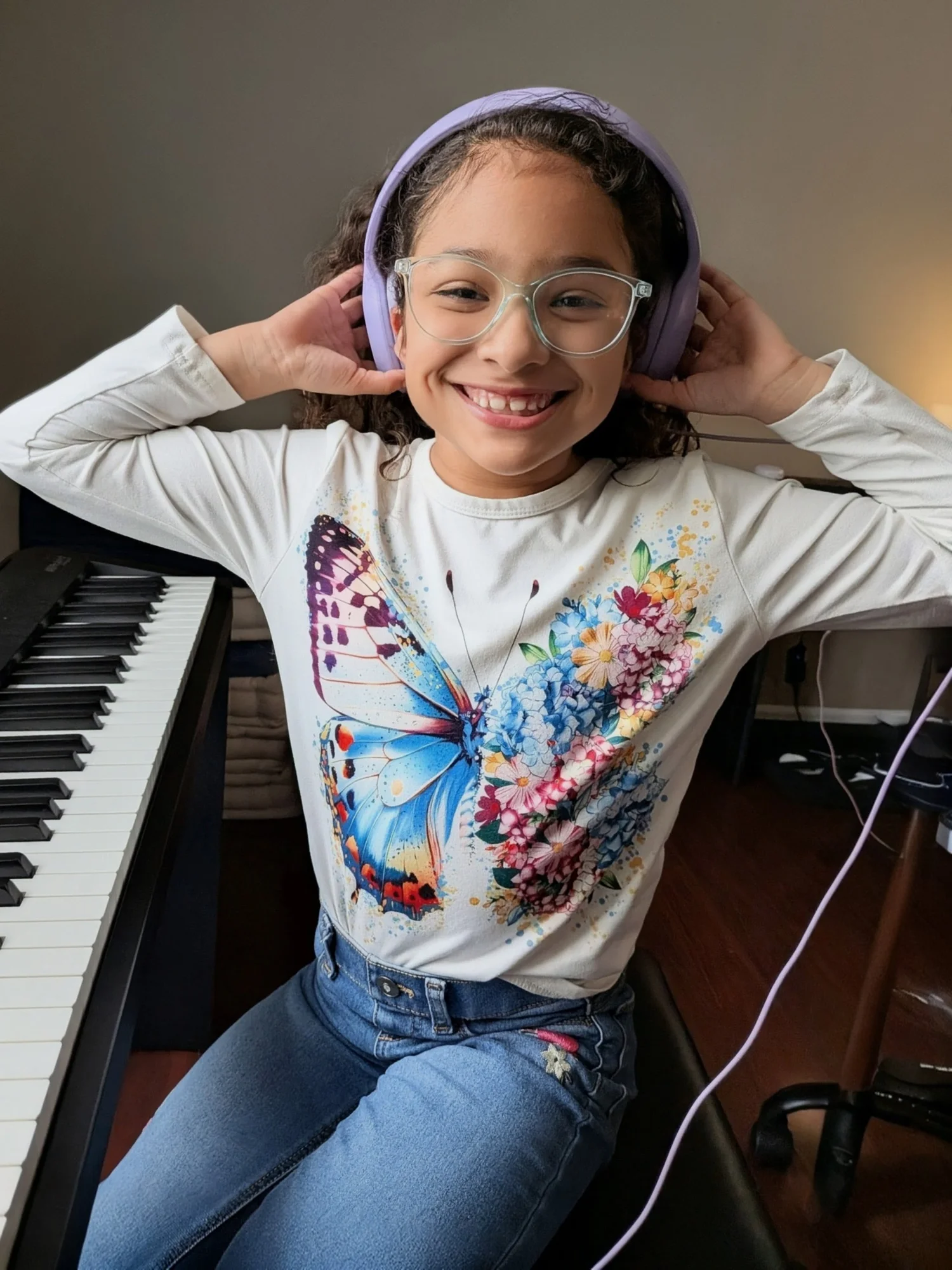
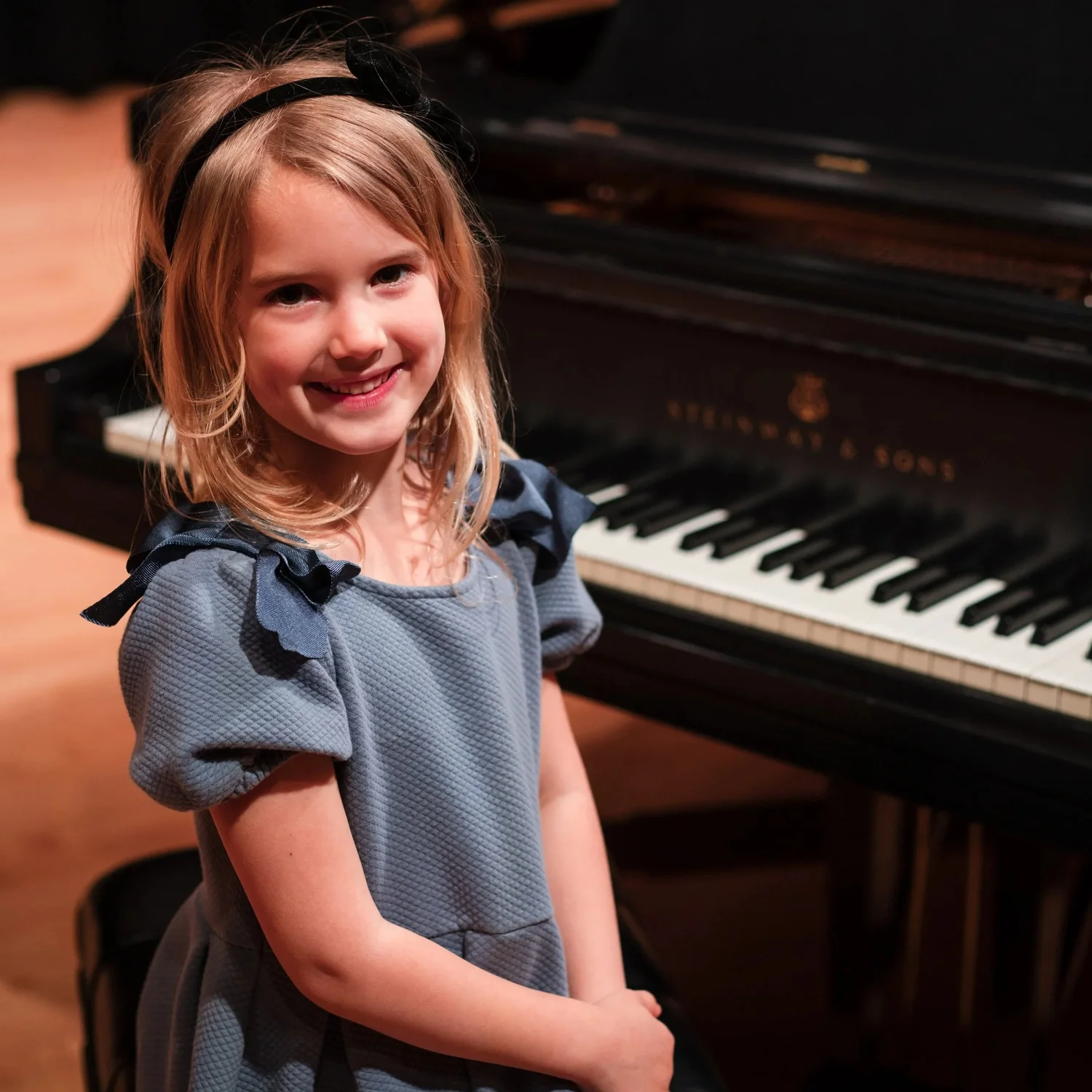
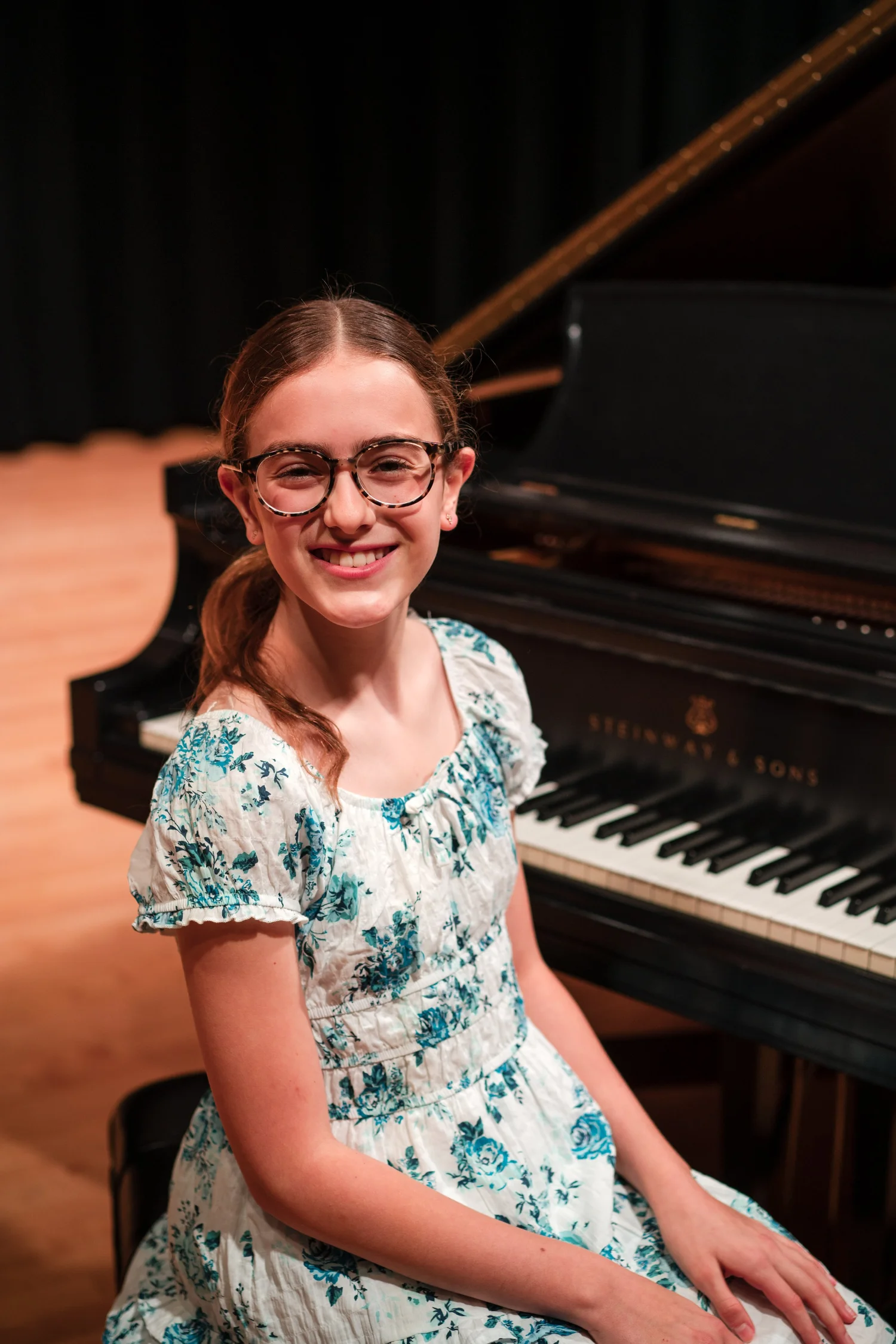
Why kids want to come back
They get to make music, not just complete assignments.
Students still learn reading, rhythm, technique, theory, and careful practice. Those skills are connected to music they can actually play and hear improving.
Music they care about
Students help choose repertoire when possible, while the teacher makes sure the music fits their current skills and teaches what they need next.
Progress they can hear
Instead of being told simply to practice, students get a small, specific job they can complete and then build on.
Other kids around them
Students hear different music, see what other pianists are working on, talk with friends, and become part of the studio.
Lessons built around the student
The next assignment depends on what happens at the piano.
Students don't move through lessons because a calendar says they're ready. A teacher listens to what they can already do and decides what makes sense next.
Sometimes that means a harder piece. Sometimes it means fixing one measure. Sometimes it means slowing down, changing the fingering, or hearing the rhythm differently.
What actually happens in a lesson
Individual teaching inside a shared lesson.
Students aren't all sitting together on the same page. They work at individual keyboards with headphones while teachers move through the room.
Each check-in is about that student's music: listening, demonstrating, correcting, explaining, and giving the next piece of work.
Learn the next step
A teacher explains or demonstrates the passage, skill, rhythm, fingering, or problem the student is ready to work on.
Work on it immediately
The student practices that assignment while the teacher works with someone else instead of waiting for another turn.
Show the teacher
A teacher listens again. If the student understands it, they move forward. If not, we change the explanation.
Take home a clear plan
Students leave knowing exactly what to practice instead of trying to remember a long list of corrections.
Learning how to practice
“Practice this” isn't enough.
Students need to know what to do when something doesn't work.
We teach them to isolate a short section, listen for a specific problem, repeat with a purpose, and connect the music again once the smaller piece is comfortable.
Students can check Practice Space instead of trying to remember what the teacher said.
A question does not have to sit unanswered until the next week's lesson.
We can hear what is happening and give useful feedback before a mistake becomes a week's worth of repetition.
Students track practice days, join studio challenges, and earn rewards for consistent work.
Piano programs
The lesson changes as the student grows.
A preschooler, an elementary beginner, and a teenager working on advanced repertoire shouldn't be taught as though they need the same thing.
Petite Pianists
Preschool students learn through short activities at and away from the keyboard: songs, rhythm, listening, movement, finger numbers, musical contrasts, and beginning piano skills.
See Petite Pianists →Core Piano
Students work on individual music at their own keyboard while teachers rotate through the room for instruction and check-ins.
See Core Piano →Leadership / Accelerated
For students moving quickly, practicing consistently, and ready for more difficult repertoire and greater independence.
Compare programs →Private Lessons
One-on-one lessons for students whose goals, level, schedule, or learning needs make private instruction the better fit.
See private options →Studio recitals
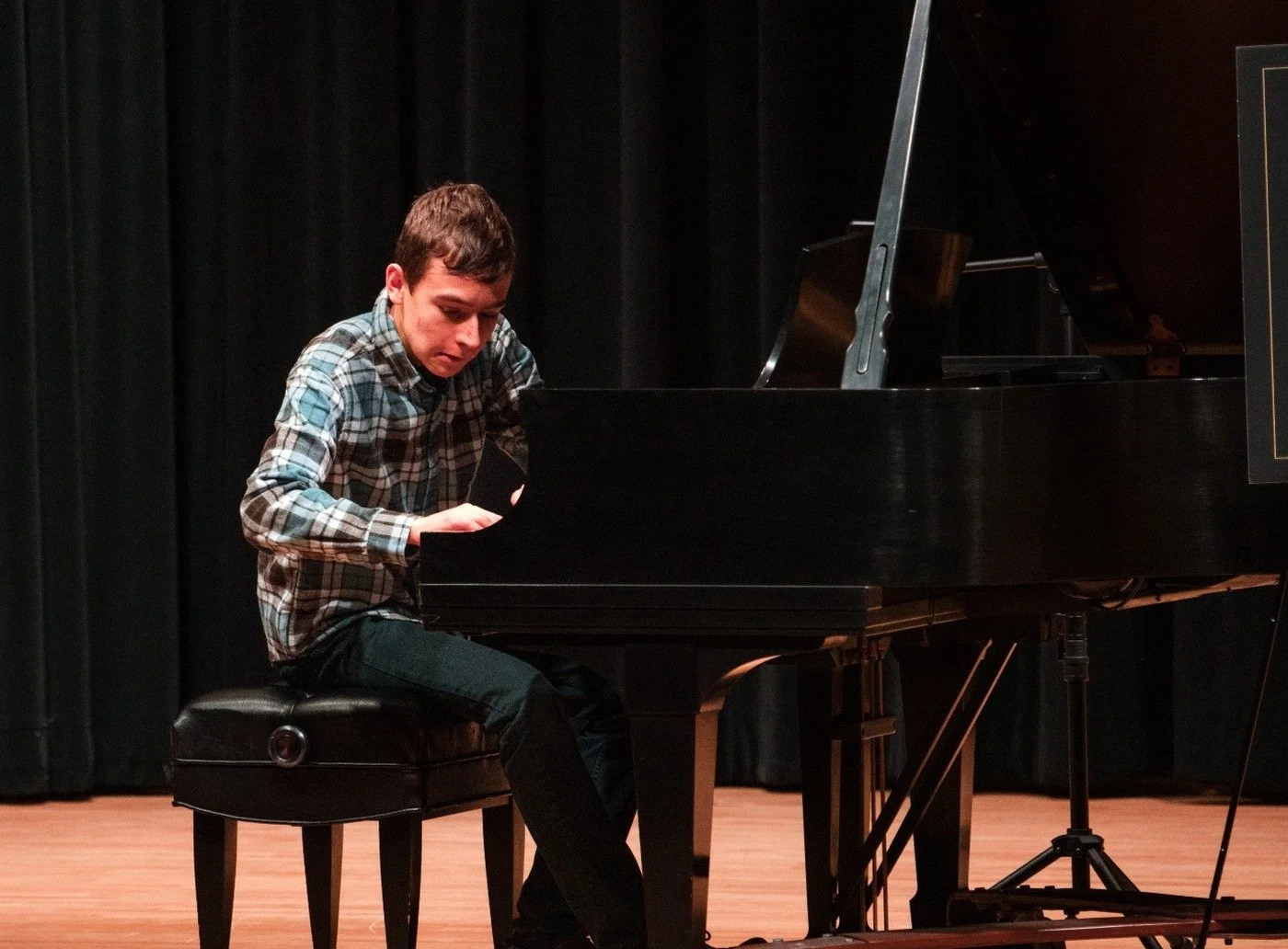
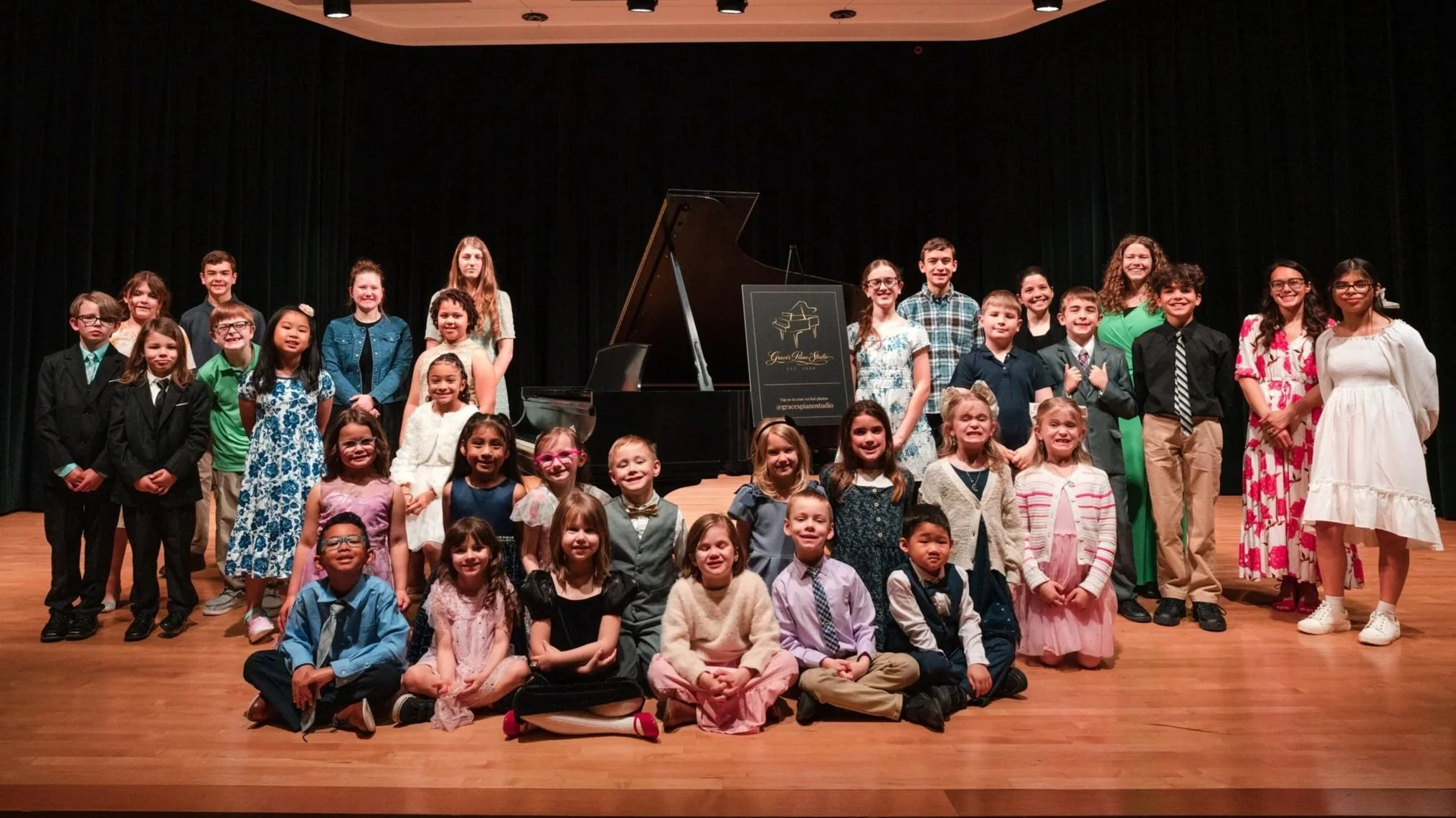
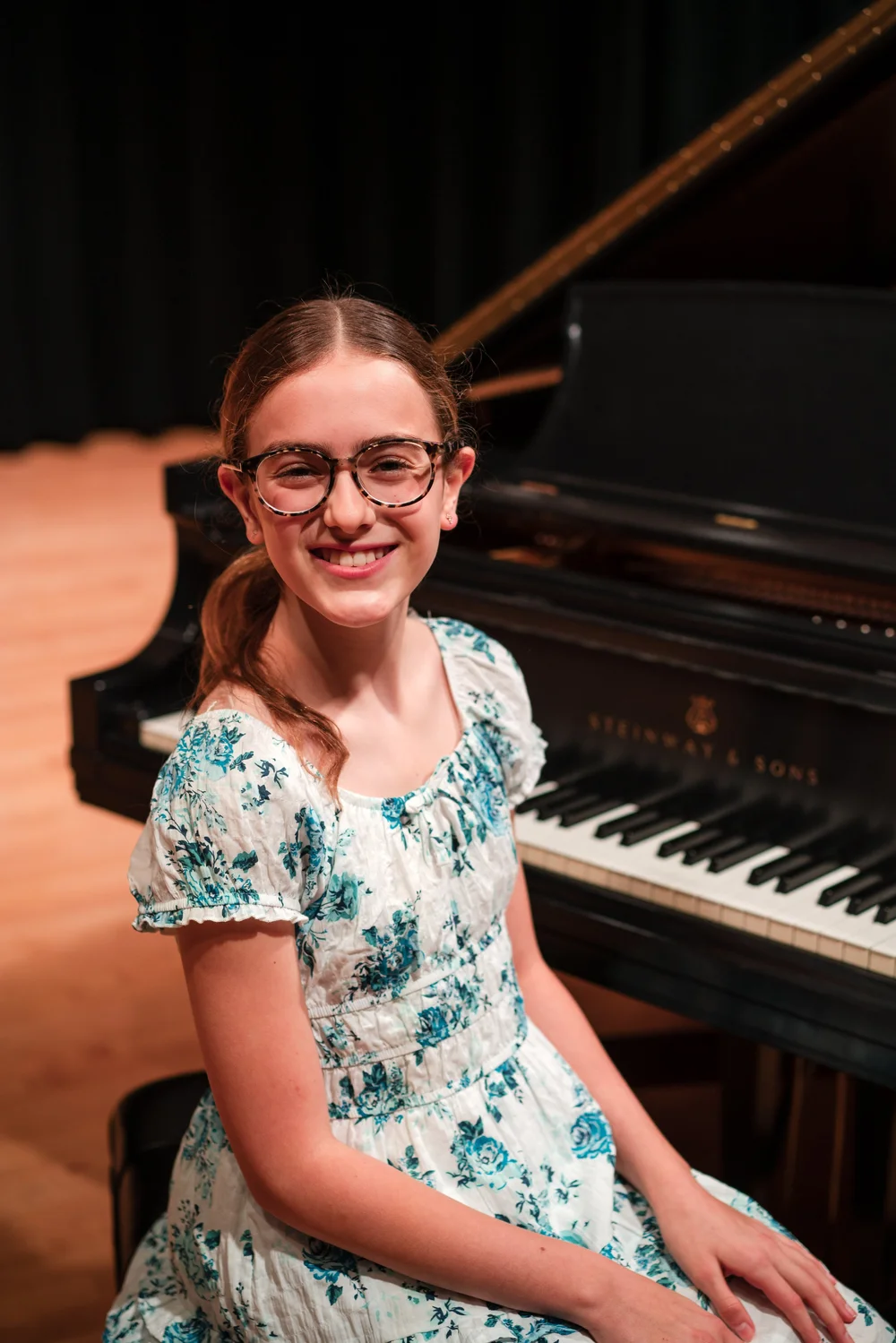
They get to play the music for someone.
Students prepare finished pieces for real audiences instead of letting every song disappear when the next assignment starts.
Younger students hear what older pianists can do. Older students remember how far they've come. Families hear the work students have been doing all year.
From studio families
What parents notice at home.
We have done other piano classes with other teachers and Grace is by far the best.— Nikeshia
She challenges my boys while making learning fun for them. My boys have grown so much under her instruction.— Becca
If he hears a tune he likes, he will run straight to his piano and play it by ear.— Vanessa
Free trial piano lesson
Come see what piano lessons feel like here.
Your child can meet us, play, see how the lesson works, and decide whether they'd like to come back.